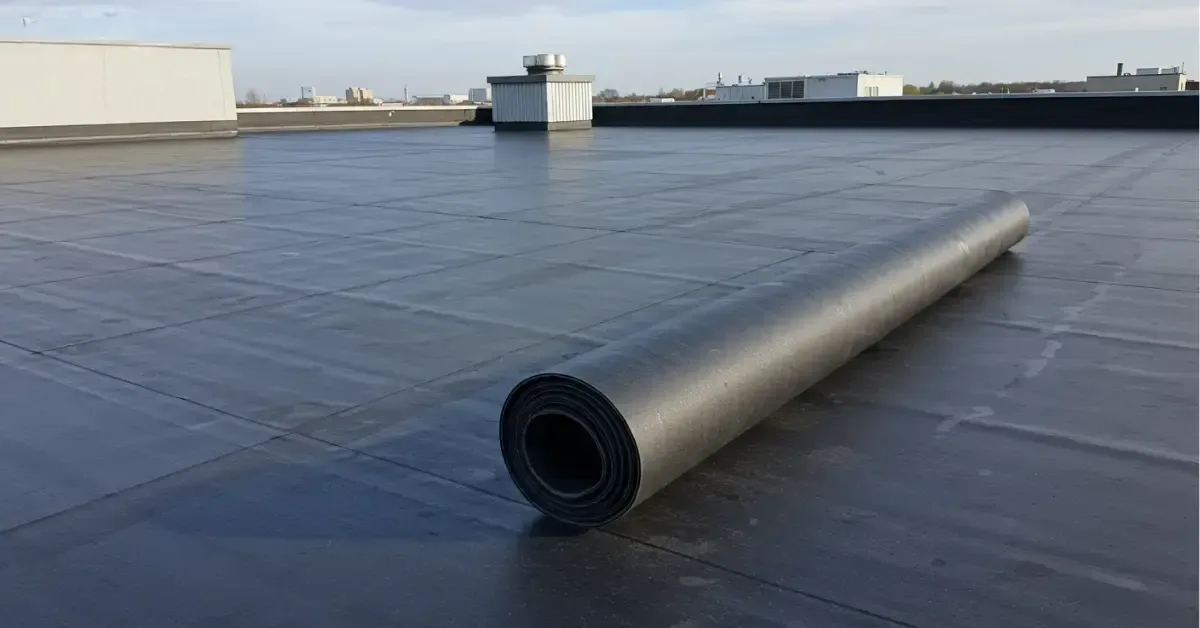
- EPDM roofing is durable and budget-friendly, but it has real downsides: puncture risk, heat absorption, shrinkage, and seam vulnerabilities.
- The standard black membrane can raise cooling loads in hot climates like Tucson unless a reflective coating is added.
- Compared with TPO, PVC, and modified bitumen, EPDM trades heat reflectivity for flexibility and lower material cost.
- Proper installation and regular maintenance significantly reduce long-term problems.
- Talk to a licensed roofing contractor to match the membrane to your roof’s slope, exposure, and budget.
What Are the Main Disadvantages of EPDM Roofing?
The main disadvantages of EPDM roofing include susceptibility to punctures, heat absorption from its typical black color, potential shrinkage, and challenges with seam integrity over time. While EPDM remains a popular single‑ply membrane for low‑slope and flat roofs, especially in commercial applications, its weaknesses can lead to costly repairs if not accounted for from the start. We install EPDM roofing in Tucson and always walk homeowners through these trade‑offs so they can make an informed decision.
Puncture and physical damage. EPDM is a rubber membrane, usually 45 or 60 mils thick, and that flexibility comes at a price: it’s easier to puncture than a multi‑ply system. Foot traffic during HVAC maintenance, fallen tree limbs after a monsoon, or even hailstones can create holes that let water in. Industry sources note that EPDM’s thin profile makes it more vulnerable to mechanical damage than built‑up or modified bitumen roofs. Puncture susceptibility is one of the most frequently cited drawbacks, especially on roofs that see regular service traffic.
Heat absorption. Standard EPDM is black, and black absorbs solar radiation. On a Tucson summer day, that can push the membrane surface temperature well above 160°F, transferring heat into the building and driving up cooling costs. White TPO and PVC membranes reflect a large portion of that energy, which is why they often deliver better energy performance in sunny climates. Black membrane absorbs heat and can increase the load on your air conditioning unless you apply a reflective roof coating, which adds material and labor expense.
Shrinkage over time. Rubber can shrink as it ages, and EPDM is no exception. The membrane can pull away from flashings, edge metal, and penetrations, creating gaps that become leak points. This shrinkage issues often show up after a decade or more and are accelerated by extreme temperature swings, exactly the kind of cycling we get in Southern Arizona between hot days and cool desert nights.
Seam and detailing challenges. EPDM seams are typically joined with adhesive or tape, not heat‑welded like TPO or PVC. If the installer doesn’t get the surface preparation and primer just right, those seams can open up, especially at corners and around roof penetrations. Seam failures are a leading cause of leaks in EPDM systems, and repairs often require re‑adhering or patching the affected area. Good workmanship matters enormously, and a written warranty is only as strong as the installation behind it.
Aesthetic concerns. On roofs that are visible from upper windows or adjacent buildings, the black rubber look can be a turnoff. It resembles a stretched inner tube, and while that’s purely cosmetic, it does influence some homeowners’ decisions. A coating can change the color, but that’s an extra step.
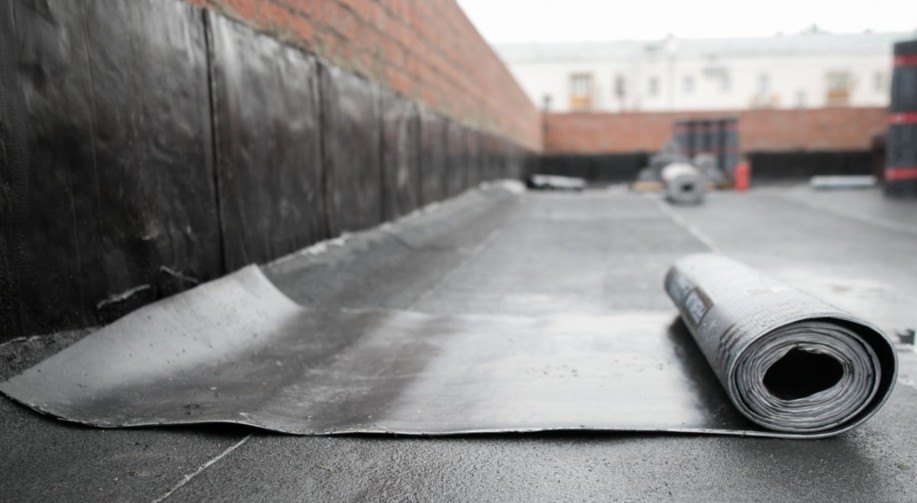
How Does EPDM Compare to TPO, PVC, and Modified Bitumen?
EPDM offers excellent durability and flexibility at a lower material cost, but TPO and PVC provide better energy efficiency due to their reflective white surfaces, while modified bitumen delivers a multi‑layer approach with different performance characteristics. We help Tucson homeowners weigh these options against their specific roof geometry and budget. Here’s a side‑by‑side look at the four systems.
| System | Typical Cost | Lifespan | Heat Reflectivity | Puncture Resistance | Seam Method | Best For |
|---|---|---|---|---|---|---|
| EPDM | Lower material cost, moderate installed cost | 20, 30 years | Low (black absorbs heat) | Moderate, can be punctured | Adhesive or tape | Budget‑conscious projects, cold climates, roofs with limited foot traffic |
| TPO | Moderate | 20, 30 years | High (white, reflective) | Moderate, similar to EPDM | Heat‑welded | Hot, sunny climates; energy‑efficiency focus |
| PVC | Higher | 20, 30 years | High (white, reflective) | Good, resists grease and chemicals | Heat‑welded | Restaurant or industrial exhaust areas, high chemical exposure |
| Modified Bitumen | Moderate to higher | 15, 25 years | Varies (can be surfaced with reflective granules) | Good, multi‑ply layers | Torch‑applied, cold adhesive, or self‑adhered | Roofs with heavy foot traffic or where redundancy is valued |
Data drawn from industry comparisons that examine EPDM, TPO, and PVC performance and modified bitumen characteristics.
In the Tucson market, TPO’s heat reflectivity often makes it a strong contender against EPDM. We install TPO roofing with heat‑welded seams, and the white surface alone can lower roof surface temperature by 50°F or more compared to black EPDM. That said, if you need a membrane that can handle building movement and offer decades of proven weather resistance, EPDM still holds its own, especially when paired with a reflective coating or a ballasted system that adds mass and UV protection.
Frequently Asked Questions
Can EPDM roofing be patched if it develops a hole?
Yes, EPDM can be patched using specialized repair kits that include primer, adhesive, and a piece of uncured rubber. The area must be clean and dry for the patch to bond properly. For small punctures, a properly applied patch can last years, but we recommend a professional inspection to make sure no underlying moisture or seam damage exists. Our roof repair team handles EPDM patching and can assess whether a simple fix is enough.
What goes under an EPDM membrane on a flat roof?
Typically, a layer of rigid insulation board or a high‑density cover board is installed over the roof deck before the EPDM is laid. The insulation provides thermal resistance, and the cover board protects the membrane from deck imperfections and foot traffic. In some retrofits, EPDM can be installed directly over an existing smooth substrate if it’s clean and dry. The right underlayment assembly depends on your building’s energy code requirements and the condition of the existing roof.
How long does an EPDM roof last in the Tucson climate?
With proper installation and maintenance, an EPDM roof in Tucson can last 20 to 30 years. Our EPDM roofing page notes that lifespan range, but it assumes regular inspections and timely repairs. The intense UV exposure and monsoon season here mean that seams and flashings need more frequent checks than in milder regions to catch early signs of drying or shrinkage.
Is EPDM roofing a good choice for Arizona’s heat?
EPDM’s black surface absorbs a lot of solar energy, which can increase cooling costs unless you apply a reflective coating. That makes it less energy‑efficient out of the box than white TPO or PVC. However, if you coat the EPDM with a high‑quality roof coating, you can regain reflectivity and still benefit from the membrane’s flexibility and weather resistance. We help customers weigh the total installed cost of EPDM plus coating against a white membrane from the start.
What are the signs that an EPDM roof needs replacement rather than repair?
Look for widespread shrinkage that has pulled the membrane away from edge metal and penetrations, multiple seam failures, persistent leaks in several areas, and a surface that feels brittle or shows deep cracking. If more than 25% of the roof area has active problems, a full replacement often costs less over time than chasing repairs. A roof inspection with a written report and photos will give you the evidence you need to decide.